

Commentary
Rym Momtaz, ed.
{
  "authors": [
    "Rym Momtaz"
  ],
  "type": "commentary",
  "blog": "Strategic Europe",
  "centerAffiliationAll": "",
  "centers": [
    "Carnegie Endowment for International Peace",
    "Carnegie Europe"
  ],
  "englishNewsletterAll": "",
  "nonEnglishNewsletterAll": "",
  "primaryCenter": "Carnegie Europe",
  "programAffiliation": "",
  "regions": [
    "Europe",
    "France",
    "Germany",
    "United Kingdom",
    "Russia",
    "United States"
  ],
  "topics": [
    "EU",
    "Foreign Policy",
    "NATO",
    "Nuclear Policy",
    "Security"
  ]
}
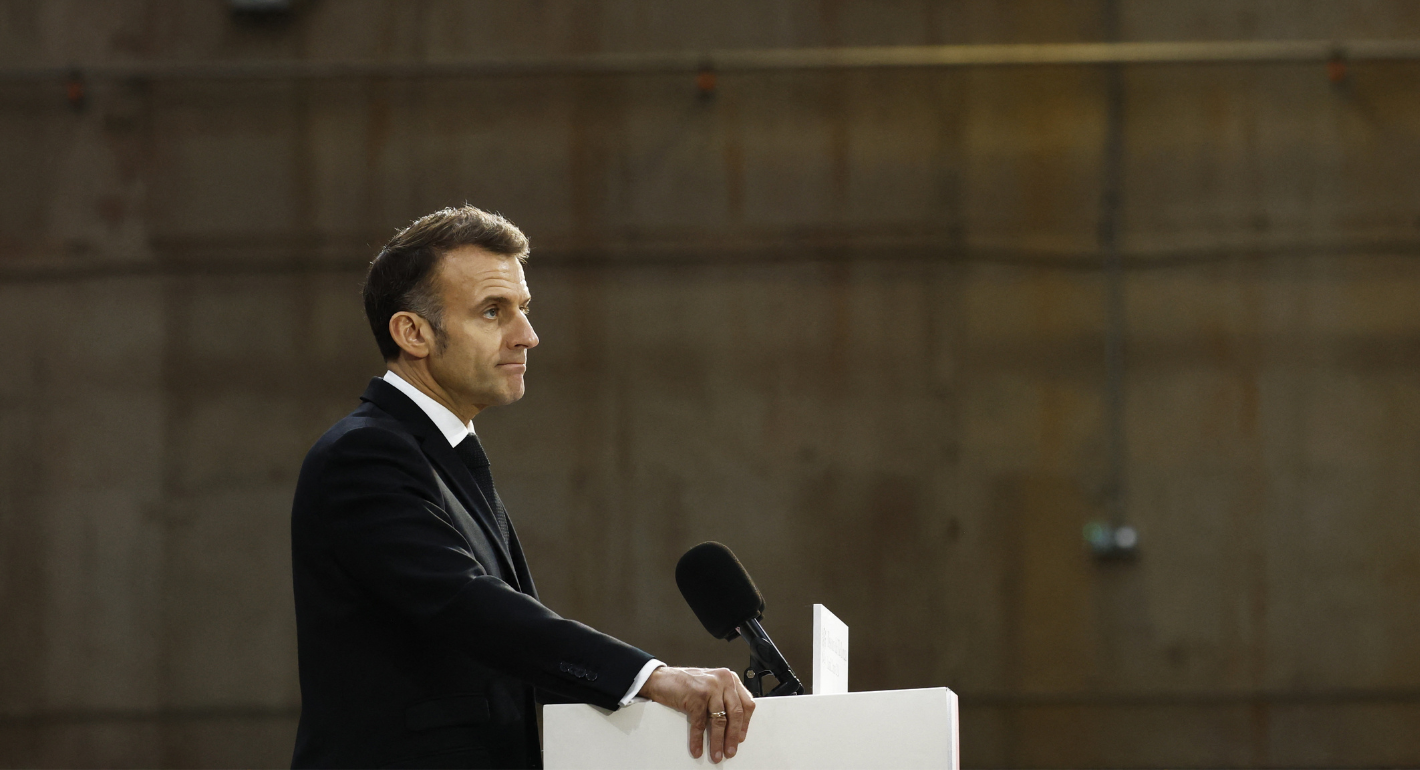
Source: Getty
French President Emmanuel Macron has unveiled his country’s new nuclear doctrine. Are the changes he has made enough to reassure France’s European partners in the current geopolitical context?
Professor, Institute for Political Studies, Polish Academy of Sciences
The announced changes are not sufficient, because they open a debate on a European dimension of French nuclear deterrence but do not establish a shared and robust approach. The discussion itself remains highly vulnerable to French domestic politics and could be reversed at the ballot box in the 2027 presidential elections. Even if current President Emmanuel Macron’s successor upholds this doctrine, several key questions must be resolved before European partners can feel genuinely reassured.
First, it remains unclear how a French-led nuclear deterrent would align with a U.S.-led nuclear sharing programme, which constitutes the backbone of Europe’s nuclear deterrence.
Second, allies lack guarantees that their own threat perceptions meaningfully shape calculations in Paris, given that any decision to employ nuclear weapons will ultimately rest on French national interests.
Third, concrete mechanisms for contributing to and influencing the forward deployment of French strategic assets on allied territory, including modalities of consultation and cost-sharing, must be developed.
Without credible answers to these issues, Macron’s initiative is better understood as an important starting point than a fully convincing reassurance package for Europe.
Head of Research, Metis Institute for Strategy and Foresight, University of the Bundeswehr Munich
France’s new nuclear doctrine is about as ambitious as it could realistically be. Three options were widely discussed in the expert community beforehand: increasing the number of warheads, forward-stationing assets such as the Rafale combat aircraft (which would not carry nuclear weapons), and expanding joint exercises. Macron delivered on the first two in his speech, while the third was announced in a Franco-German communiqué on the same day. In that sense, the president delivered everything that could reasonably have been expected. I would go as far as saying: He delivered everything he can at this point in time.
This is, obviously, not a nuclear sharing arrangement on the NATO model—far from it. But NATO nuclear sharing, French-style, was never a realistic expectation to begin with. Only observers poorly informed about the strike force, French capabilities, and—most importantly—French nuclear doctrine and strategic culture would have expected such a step.
So in my view, Macron deserves credit for moving France as far forward as he did. One can only hope that his potential successors in the Élysée will continue along this path.
John G. Winant Associate Professor in U.S. Foreign Policy, University of Oxford
Whether France’s new nuclear doctrine will be sufficient to reassure and deter remains far from clear.
For decades, France has emphasized strict sufficiency, strategic autonomy, and a deterrent designed to protect vital interests. Macron’s rhetorical and political pivot towards a more explicitly European role for France’s nuclear arsenal therefore carries a heavy burden of proof.
Allies will reasonably ask whether French capabilities, planning processes, and political resolve have sufficiently adapted—or whether this is declaratory policy outpacing operational reality. Stationing strategic assets in European partner countries could help reinforce the message of resolve, but Paris will still have to tackle many of the same challenges Washington has long faced with nuclear sharing, including allies’s resistance to sole authority.
Moreover, France’s emphasis on strategic deterrence and its arsenal optimized for catastrophic retaliation, rather than flexible options, may not be well-suited to countering the limited nuclear coercion most plausible in today’s world. Allies may find it unsettling—to say the least—to rely on such a strategy.
Despite these concerns, Macron’s initiative matters. Deeper integration with European partners, especially Germany, paired with serious investment in European conventional capabilities, would mark a significant step towards a strategically autonomous European defense architecture.
Jessica T. Mathews Chair, Co-Director, Nuclear Policy Program, Carnegie Endowment for International Peace
A single speech was never going to reassure European states that are deeply worried about Russian aggression and U.S. unreliability. But Macron’s remarks can enable a process by which France and its partners jointly identify measures to deter Russia and enhance Europe’s security.
Amid the likely rush to support French nuclear operations—by providing air escorts, for example—European strategists should recognize that the most effective way to bolster nuclear deterrence is through conventional strength. The most acute threat from Russia, and particularly its large arsenal of nonstrategic nuclear weapons, stems from Europe’s conventional weakness around the Baltic. This vulnerability could inspire Moscow—if it rebuilds its conventional forces after the end of the Ukraine war—to grab territory quickly and bloodlessly and then to wield nuclear weapons to deter liberation efforts.
A large multilateral European force stationed in Eastern Europe would enhance both conventional and nuclear deterrence. It would ensure that any Russian land-grab by conventional means would be slow and costly, if not an outright failure. Moreover, if conventional deterrence were to fail and a Russian victory seemed likely, stiff resistance would make the possibility of France using nuclear force on behalf of its allies significantly more credible.
Research Fellow and Head of the Deterrence & Proliferation Research Program at the Institut Français des Relations Internationales
France’s new nuclear posture has been welcomed broadly across Europe—but it has also raised expectations.
Initial reactions show that Macron’s announcement has reassured many partners. European governments quoted in his March 2 speech issued positive and coordinated statements afterwards, signaling support for the president’s willingness to engage more openly on nuclear deterrence. Interest is emerging beyond the forward deterrence framework: Norway and Finland have indicated openness to closer dialogue with France, while Italian commentators complained about not being included in the initial discussions.
This is where the real test begins. Macron’s proposals, such as setting up nuclear steering groups with seven countries, in addition to the one that already exists between France and the UK, create momentum—but they also generate expectations. For these initiatives to matter, they will need to survive the end of Macron’s presidency and go beyond dialogues on threat assessment and doctrinal explanations. Joint exercises, scenario-based discussions, and transparency around vital interests are essential in creating a sense of shared destiny without altering the fundamentals of French sovereignty.
Finally, nuclear reassurance cannot compensate for Europe’s conventional weaknesses. Unless European countries strengthen their conventional deterrence, nuclear weapons alone will not be enough to sustain confidence.
Independent Researcher
If anyone expected that France would unequivocally guarantee to commit its nuclear forces to the extended deterrence of its European allies, the new approach may have been a disappointment. Still, the update of the French nuclear policy represents a rather good balancing act.
On the one hand, it confirms France’s ambition to lead the development of a new European approach to strategic deterrence, opening up new avenues for cooperation with interested partners.
On the other hand, it reflects the internal imperative to preserve the key tenets of French nuclear policy, such as decisionmaking autonomy and independent development of nuclear capability. This makes it more likely that the course charted by Macron would be maintained by the next French president.
For the countries interested in engaging with France, including Poland, the forward deterrence dialogue and cooperation could complement—but not substitute—the extended nuclear deterrence guarantees provided by the United States and the UK through NATO.
Moving swiftly to operationalize the new concept, starting with the participation of allies in French nuclear exercises and speeding up cooperation on conventional capabilities such as deep precision strikes, will be the way to signal resolve toward Russia, thus reassuring France's partners.
Nonresident Scholar, Nuclear Policy Program, Carnegie Endowment for International Peace
Too little, too late.
Positive things first: Macron’s speech shows that Paris is committed to European security. Yes, the president continues to look for creative solutions to Europe’s deterrence problem within the confines of the conservative French defense establishment. Yes, a few more nukes and a little less transparency might complicate the Russian calculus—though this is only hopeful speculation. And yes, the big show at the Île-Longue nuclear submarine base was worthy French grandeur.
Yet, below all that, Macron offered too little.
He continues to reject the idea of extended nuclear deterrence, where France would use its nukes to defend European allies, something the United States has promised for decades. France will not permanently deploy its nuclear weapons on allied territory.
Nuclear sharing, where allied militaries deliver the bombs, is not in the cards.
France will not join NATO’s Nuclear Planning Group, and, more importantly, Paris will not set up a similar consultation mechanism for its new cooperation partners.
In about a year, France could elect its first president from the far-right National Rally party. He or she could easily retract from Macron’s modest improvements. Then, and only then, full-fledged proliferation debates will take off in Berlin, Warsaw, and elsewhere.
Research Leader, RAND Europe
France has made substantial changes, though European allies will not be reassured overnight. The United States needed decades to convince its allies it was neither feckless nor reckless.
The French promise to build up its arsenal sends an immediate and costly signal to both European allies and Russia that France intends to walk the walk. Its departures from long-established doctrine further send the message that France has shifted from an exclusively or predominantly national deterrence logic.
Macron’s inclusion of conventional means for deterrence moves French doctrine closer to escalation management, even though he still explicitly disavowed the return of tactical nuclear weapons to the French arsenal.
French air exercises will include allied conventional support of nuclear operations from Belgium, Denmark, Germany, Greece, Netherlands, Poland, and Sweden. Together with the Franco-British and newly-announced Franco-German steering groups, there are now avenues to build mutual trust and doctrinal understanding.
The very public announcement of these arrangements suggests that allies already take the French signal seriously. Also, if these arrangements take shape, they are likely to expand Paris’s influence in Europe, which the president’s potential successors on the far-left and far-right may be unwilling to abandon.
Professor of Modern North American History, University of Oslo
President Macron’s speech was a significant step in reassuring Europe amid questions on the credibility of U.S. extended nuclear deterrence. However, the announced changes to French nuclear policy are neither sufficient nor intended to fully replace the U.S. nuclear umbrella.
Macron’s announcement of an increase in the number of France’s nuclear warheads, the possible temporary forward deployment of nuclear-capable Rafale aircraft to other European countries, and the institutionalization of nuclear dialogues with allies through the establishment of steering groups are all welcome. The president also rightly emphasized the deterrent value of greater European coordination on early warning, air and missile defense, and conventional precision-strike capabilities.
However, he retained the basic foundations of French nuclear doctrine. France rejects nonstrategic nuclear warfighting and maintains a single nonrenewable nuclear warning shot, conceived as “the ultimate chance to restore deterrence,” as its only more limited nuclear option.
Macron also preserved France’s absolute sovereignty and ambiguity regarding the definition of its vital interests, including how they overlap with those of its allies. The decision to use nuclear weapons remains at the French president’s sole discretion and Macron rejected any notion of joint planning for their use. These foundations represent barriers to a more credible nuclear umbrella for Europe.
Head of Strategy, Technology, and Arms Control, International Institute for Strategic Studies
The French nuclear evolution certainly succeeds in signaling strategic solidarity, but whether it can reassure European partners will depend on three factors.
First, allies are reassured as long as the extended nuclear deterrent provided by the United States remains in place. NATO nuclear sharing itself is in good health, but the American nuclear response remains a political decision. France’s offer therefore helps fill part of the gap created by Russian threats and doubts about Washington.
Second, how French forward deterrence is implemented will matter. Macron’s package is substantial: more warheads, stockpile opacity, possible temporary deployment on allied territory, as well as consultations, exercises, and conventional support arrangements with willing Europeans. It is not a gift: France expects its allies to contribute and coordinate, and that implementation could prove contentious.
Third, Macron's speech may end up being most consequential for promising to integrate nonnuclear elements into deterrence. That is why the Franco-German steering group and other institutionalized consultations between Europeans matter. If the resulting process helps align European thinking on conventional long range missile doctrine and conventional enablers, the continent may emerge with a stronger deterrence posture against Russia; one that is less dependent on the United States.
Japan Chair for a World Without Nuclear Weapons, Senior Fellow, Carnegie Endowment for International Peace
Macron’s gesture reflects his personal determination to strengthen Europe’s power to deter or defeat aggression as well as the traditional French establishment’s agreement with this goal. The announced cooperation with Germany indicates both governments’s interest in at least partially filling the vacuum left by the United States’ retreat. By ending transparency about the nuclear posture, France is joining the UK—and China for that matter. But it will not be seen in Moscow as a sign of strength. If France and the UK enhance nuclear–military coordination and cooperation with each other and with NATO, that will strengthen the alliance amidst doubts about U.S. intentions.
What is more important than all this, in my opinion, are two other things. First, will French leaders continue to be committed to the active defense of Europe against Russian subversion, sabotage, and potential military aggression? Or will the 2027 presidential election produce more accommodating leadership in Paris? Second, and dependent on the political question, will France and other NATO states have the resources, determination, and coordination necessary to significantly strengthen conventional military capabilities, as well as the social organization to deter or resist Russian aggression until Moscow gets leaders who are more peaceful?
Director, International Security Program, Chatham House
President Macron’s updates to French nuclear doctrine, together with announcements like the June 2025 Northwood Declaration that set up greater Franco-British cooperation on nuclear deterrence, are a significant departure from the status quo.
However, they are at the lower end of the scale of ambition that has been set out during the past eighteen months or so of dialogue around what a European nuclear deterrence posture could look like.
For some of the European states most concerned about their deterrence needs, and the prospect of a less engaged United States, the offer may not go far enough.
In particular, the fact that nuclear steering groups are currently set up between France and only two allies—the UK, another nuclear power, and Germany, France’s closest partner in Europe—will likely lead other countries to wonder whether this is going to be a tiered system. Setting up enhanced European deterrence as a series of bilateral relationships will also have its challenges.
France is unlikely to join the NATO Nuclear Planning Group, but if French nuclear deterrence is meant to enhance the overall deterrence of the continent, then some more coordination at the NATO level, and with all European security partners, will be necessary.
Subscribe to Strategic Europe, delivered to you weekdays!

Editor in Chief, Strategic Europe
Rym Momtaz is the editor in chief of Carnegie Europe’s blog Strategic Europe. A multiple Emmy award-winning journalist-turned-analyst, she specializes in Europe and the Middle East and the interplay between those two spaces.
Recent Work
Rym Momtaz, ed.
Rym Momtaz
Carnegie does not take institutional positions on public policy issues; the views represented herein are those of the author(s) and do not necessarily reflect the views of Carnegie, its staff, or its trustees.
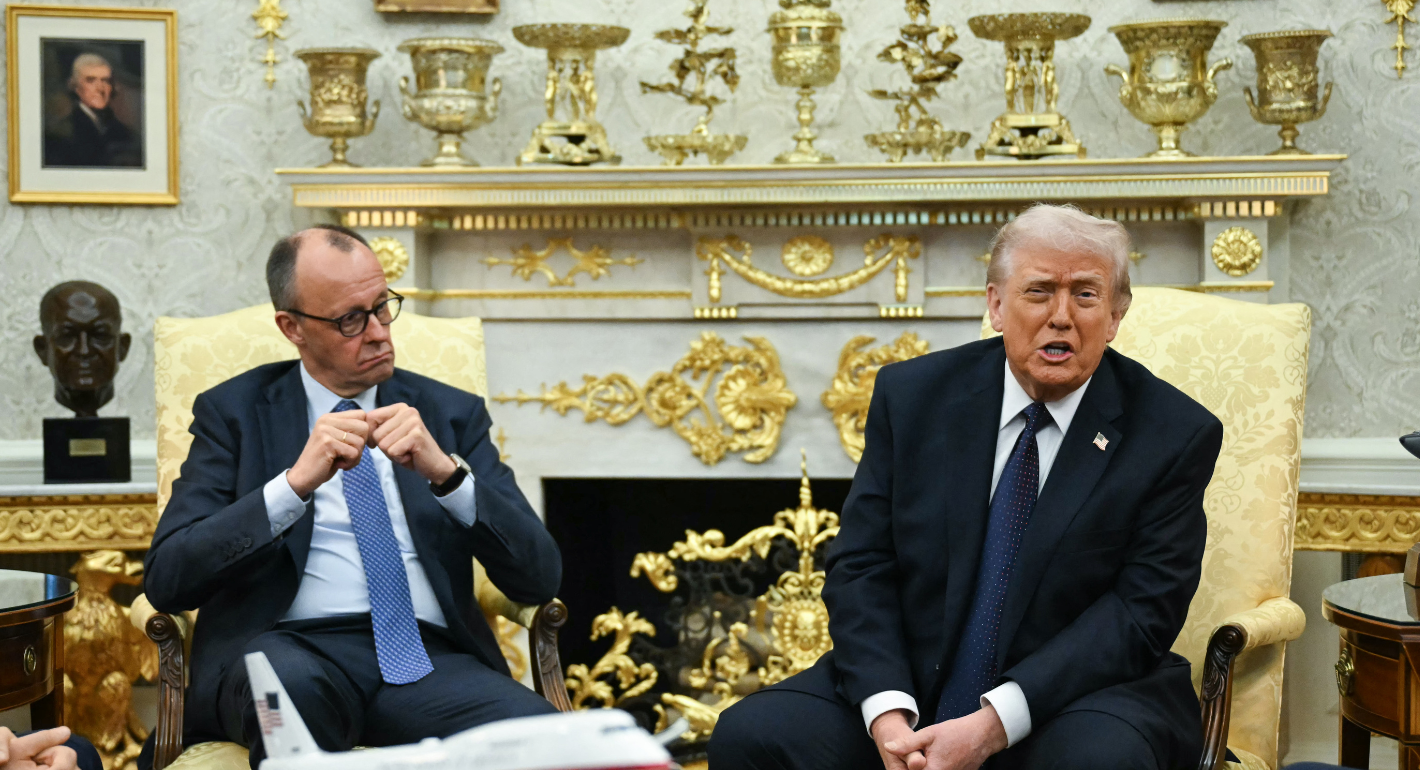
European reactions to the war in Iran have lost sight of wider political dynamics. The EU must position itself for the next phase of the crisis without giving up on its principles.

Richard Youngs
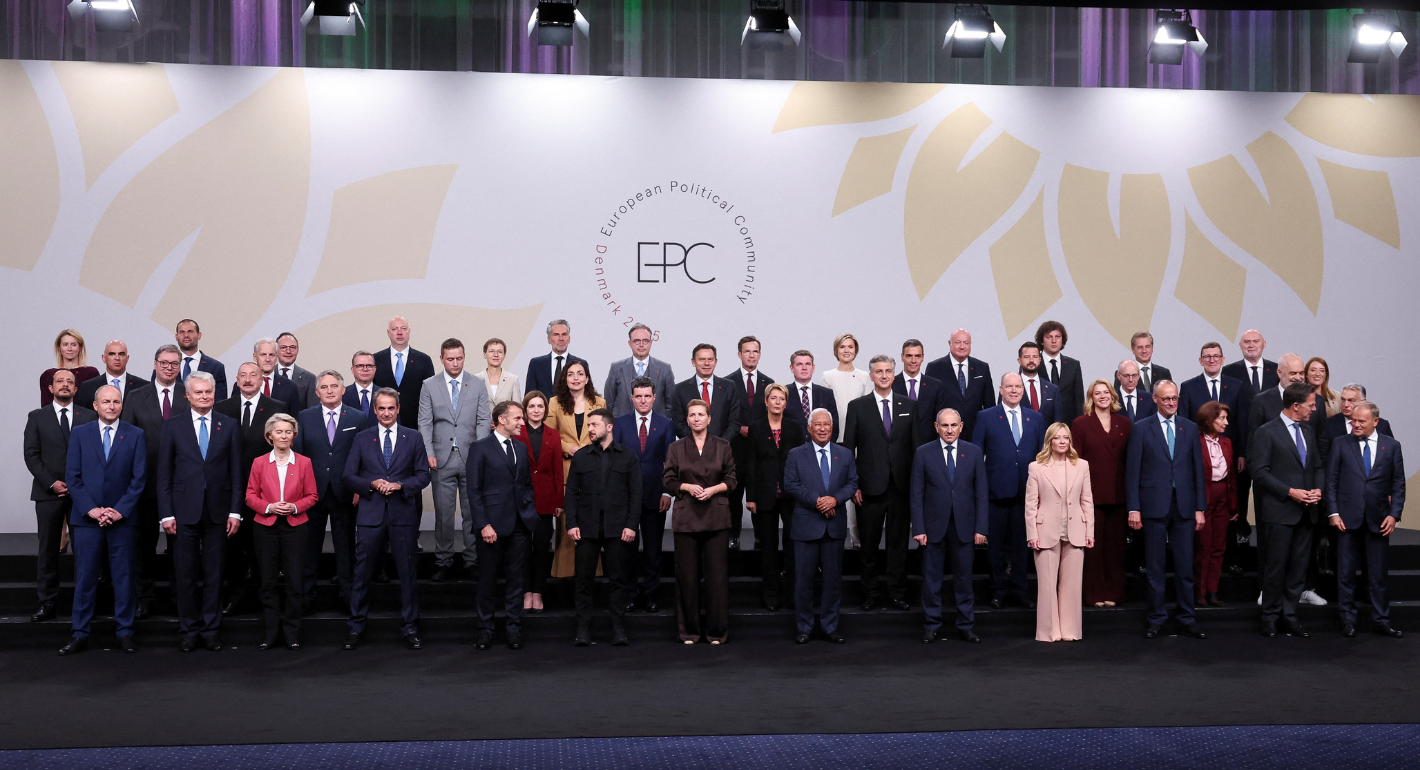
Europe isn’t as weak in the new geopolitics of power as many would believe. But to leverage its assets and claim a sphere of influence, Brussels must stop undercutting itself.

Dimitar Bechev
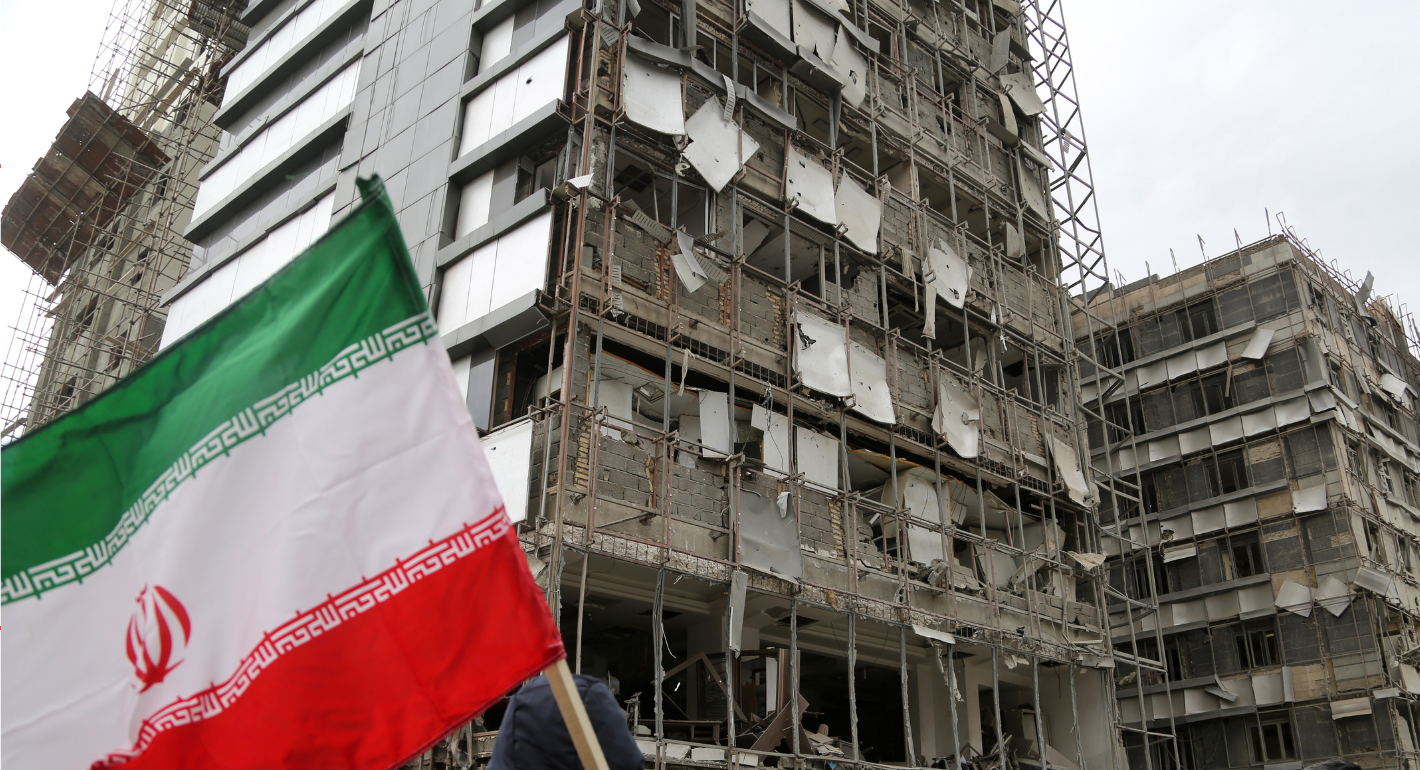
Europe’s reaction to the war in Iran has been disunited and meek, a far cry from its previously leading role in diplomacy with Tehran. To avoid being condemned to the sidelines while escalation continues, Brussels needs to stand up for international law.

Pierre Vimont
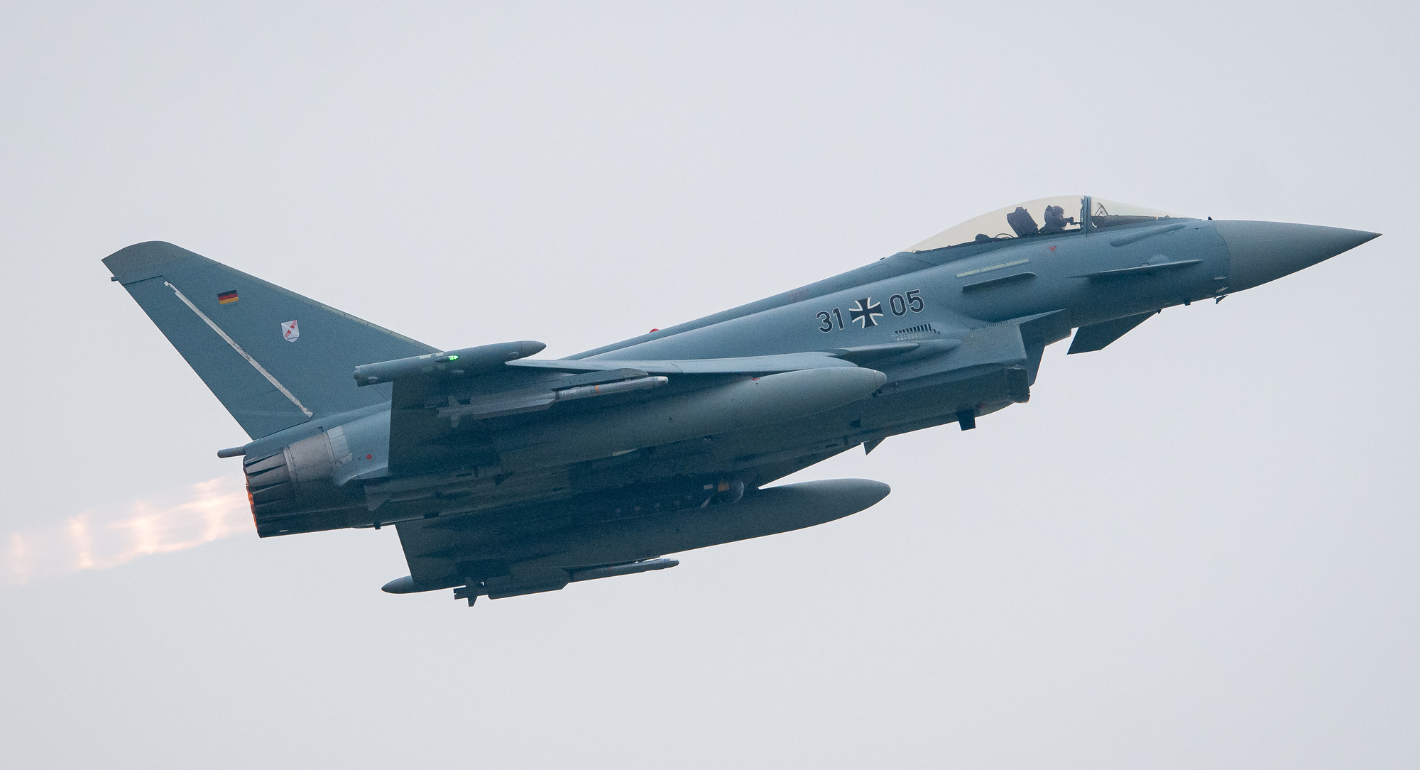
France and Germany’s failure to agree on the Future Combat Air System (FCAS) raises questions about European defense. Amid industrial rivalries and competing strategic cultures, what does the future of European military industrial projects look like?
Rym Momtaz, ed.
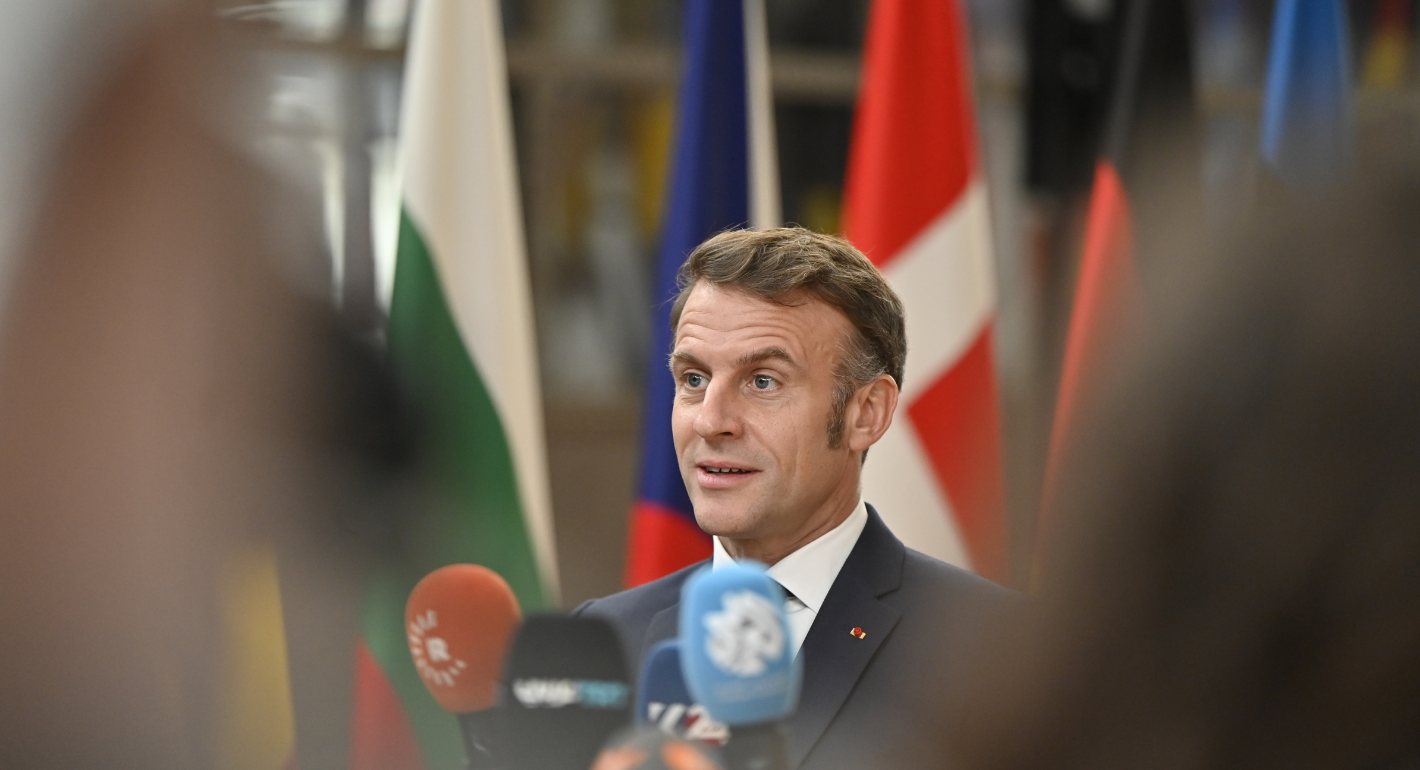
France has stopped clinging to notions of being a great power and is embracing the middle power moment. But Emmanuel Macron has his work cut out if he is to secure his country’s global standing before his term in office ends.
Rym Momtaz